


Юль, в статье так и написано, что это поддоспешник?
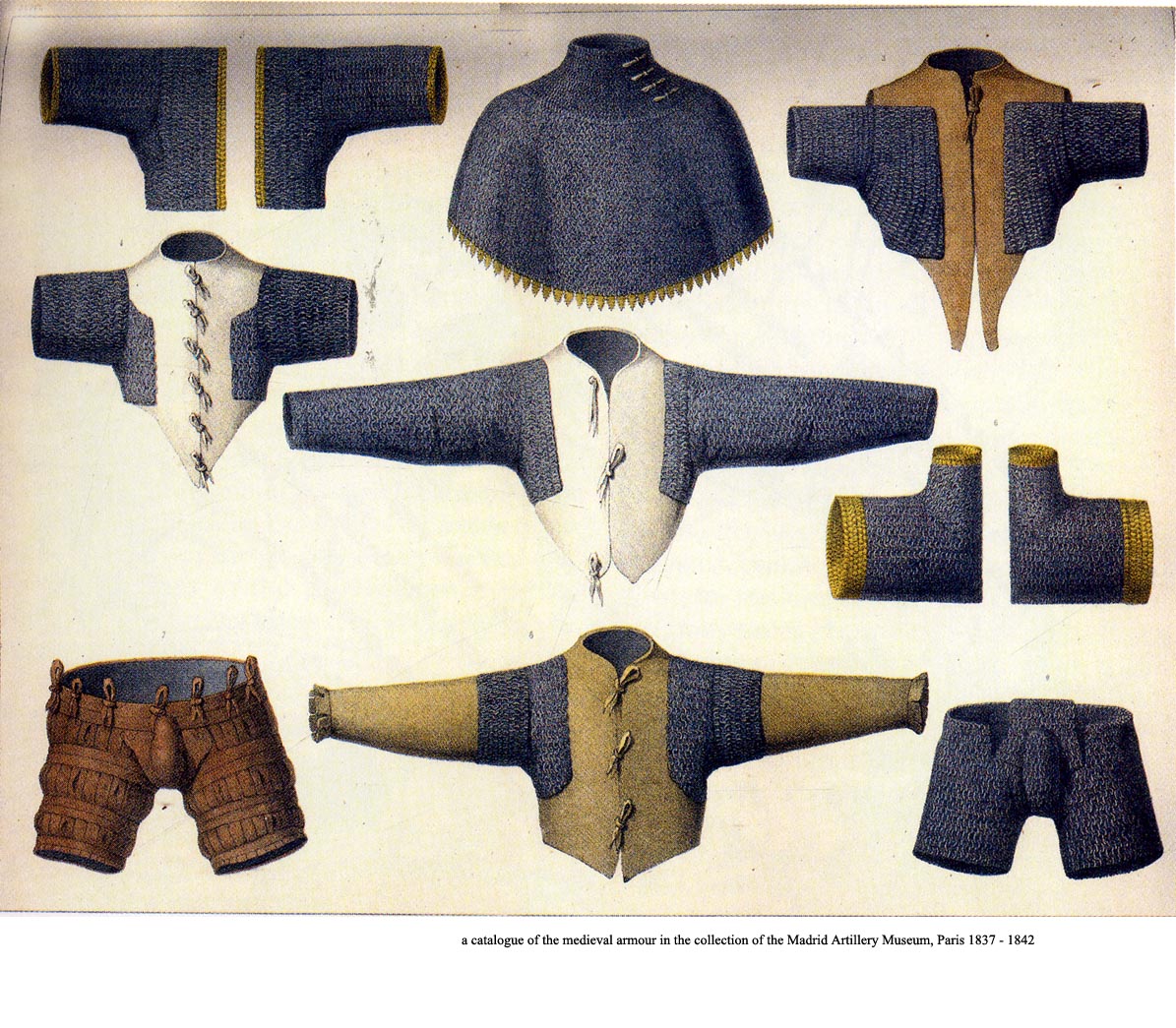
Написано что *фарсетто приспособлен для верховой езды и может носится под доспехом"
Il farsetto era adatto per andare a cavallo e poteva essere indossato sotto l'armatura.
Следов ржавчины нет. То есть использован по назначению не был видимо...или не успел.
Или это парадно - выходной дублет пошитый как арминг-дублет.
Йо, есть достаточно упоминаний арминг-дублетов крытых бархатом и шелком.
Еще больше правда из фастиана, особенно на Италию(Zuponi de fustaneo).
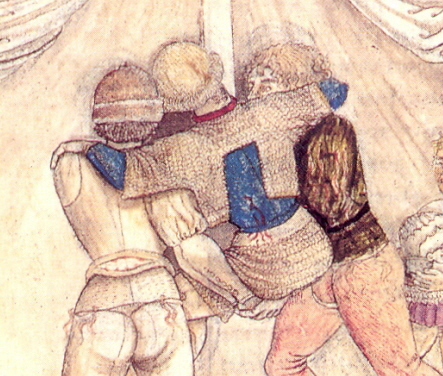
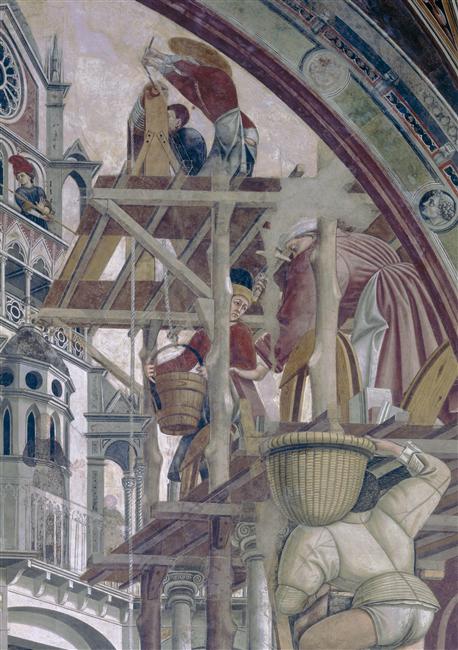
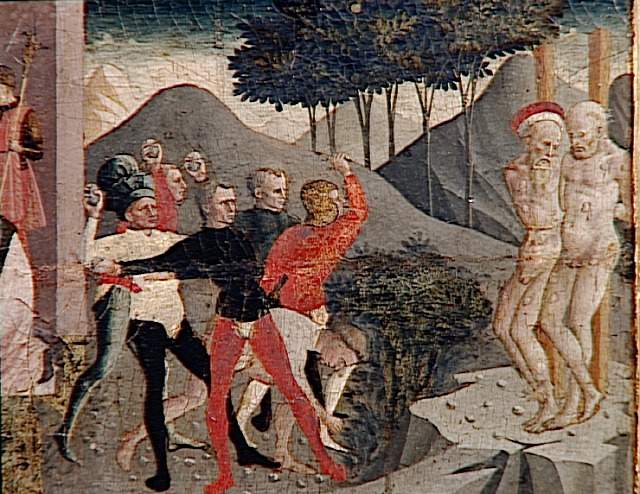
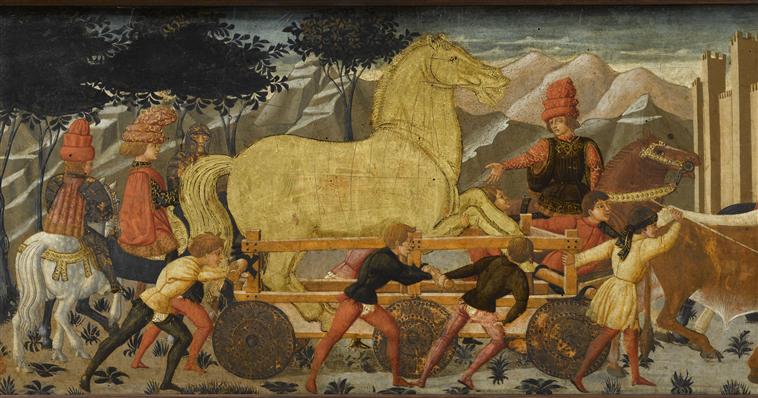
Но вот проложенные шнуры между строчками меня поразили)Действительно на картинах прослеживается "ребристость" на манжетах.
Вот какие определения дает в своей книге незабвенная Жаклин Херальд:
FARSETTO (M). The generic term for a man's doublet, which is also known by the names corpetto, guibetto, zuparello, and zupone (guibbone). This type of garment is made by a professional farsettaio. The doublet is a close-fitting garment, stuffed and quilted. It has a low-standing collar and usually sleeves. Worn over the shirt, and beneath a tunic and/or other forms of overgarment, the farsetto offers warmth and protection, and defines the outlines of the torso, finishing around the hipline. The shape of the doublet varies from one decade to the next, depending on the fashionable silhouette. In the earlier Quattrocento, the doublet is nearly always hidden by some form of tunic or gown, the exception being for sporting activities. Later in the century, as clothes worn by the fashionable young become more and more revealing, the doublet is shortened and is generally much more in evidence, worn with a loose cloak or gown as opposed to a closed tunic with sleeves. It has been suggested by Levi Pisetzky that some form of doublet (the corpetto, giobetto, zuparello) were meant to show, whereas others (the farsetto, zupone) were always concealed. It is the richness of the textile from which the doublet is made which indicates the nature of the occasion for which it is worn, and implies the degree to which the garment is to be shown off.
ZUPARELLO (M). A form of doublet. At a tournament held in 1491, Annibale Bentivoglio was accompanied by 12 swordsmen wearing green satin zuparelli (Malaguzzi Valeri, op.cit., p. 42). Galeazzo Maria Sforza, who was of course responsible for clothing members of his court, supplied several zuparelli. His letters also include an interesting entry of maneghetti and bredoni (protective shoulder and hip pieces) to put on a zuparello d'armare. The correspondence between armour and fashionable clothing was very strong; it is therefore probable that the zuparello as armour and as everyday dress made from silk or cloth both followed the same silhouette about the torso (see FARSETTO).


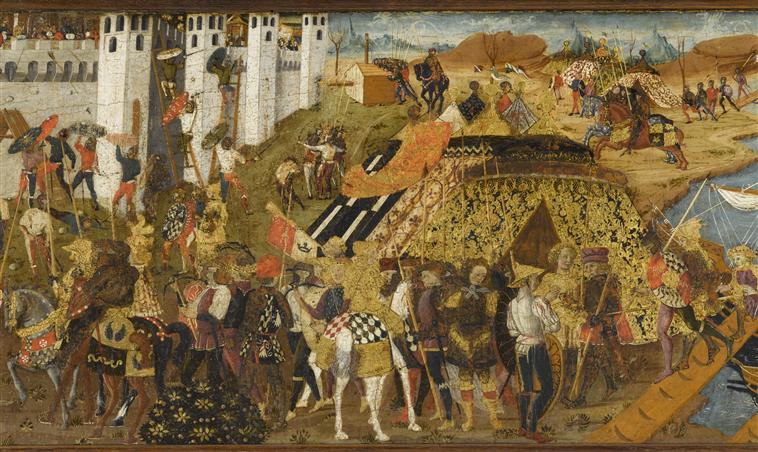
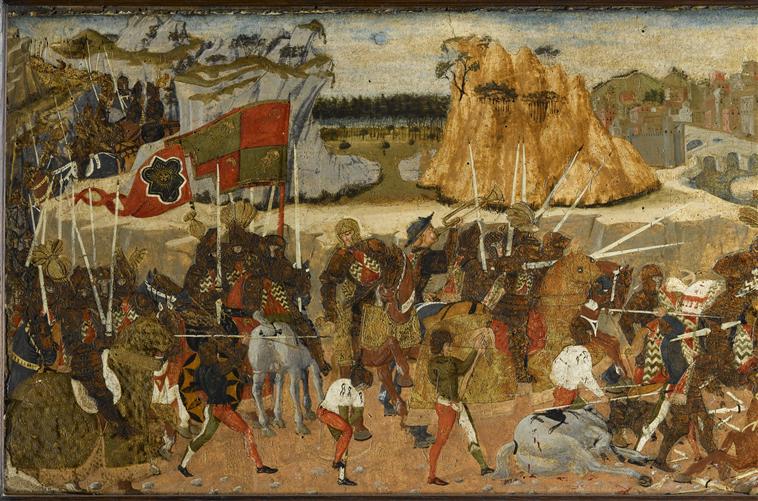
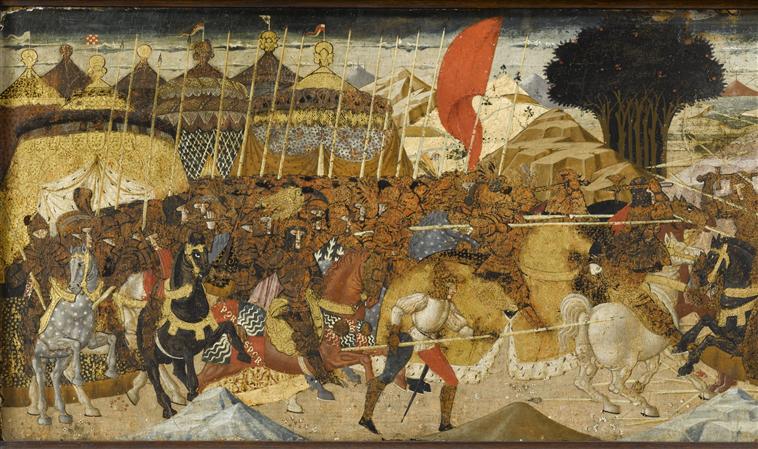

 Попалось на глаза, так случайно